A home appraisal provides an unbiased professional opinion on the value of a home. It's crucial for both sellers and buyers in real estate transactions. An appraiser delivers this assessment after inspecting key aspects like location, condition, and features. A home appraisal is vital for:
- Buying or Selling a Home: Banks require an appraisal to ensure the property's value supports the loan amount.
- New Home Construction: The appraisal determines if the property is worth the loan amount you are seeking.
- Refinancing: To confirm the property's worth justifies the new loan terms.
- Tax Assessments: To challenge or confirm property tax valuations.
- Loan Collateral: Lenders need to accurately assess the market value of the property to determine if it is sufficient collateral for the loan amount
The Appraisal Process in Texas:
- Inspection: The appraiser visits your home to assess its condition, size, features, and any improvements or upgrades. They look at both the interior and exterior, noting the property's overall appeal, maintenance, and functionality.
- Research: Appraisers analyze comparable sales (comps) in your Texas locality, focusing on similar homes in size, condition, and location. They consider market trends specific to Texas cities like Austin, Houston, Dallas, and San Antonio.
- Evaluation: Property size, number of bedrooms/bathrooms, lot size, and unique features are evaluated. Texas property laws, like homestead exemptions, impact how properties are appraised.
- Report Generation: The appraiser compiles a report with detailed information on how the value was determined, including photos, market data, and comps analysis.
Relocating, buying, or selling a home in Celina, TX?
Let us do the work for you. Get in touch with a specialist.
Factors Influencing Appraisal in Texas:
Many factors influence the final appraised value of your Texas property. The following list shows you some, but not all, things that will impact your final value.
- Age of the Home
- Size and Layout
- Location
- Construction Materials
- Weather Conditions
- Local Building Codes
- Environmental Factors
- Previous Renovations or Additions
- Visible Conditions
- Systems and Appliances
- Foundation
- Roof Condition
- Pest Infestation
- Water Intrusion
- Accessibility
How to Prepare for a Home Appraisal:
To maximize your home's perceived value during an appraisal, follow these steps:
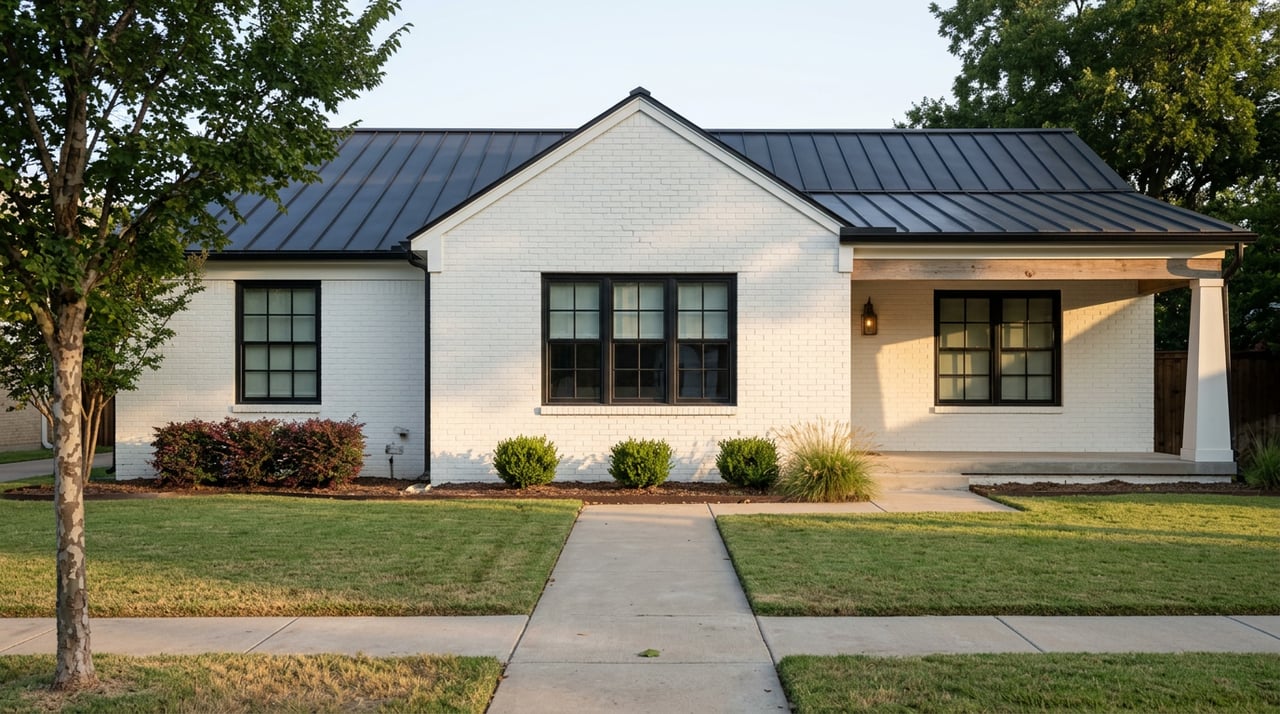
- Enhance Curb Appeal: Mow the lawn, trim bushes, add fresh mulch, and plant flowers.
- Deep Clean and Declutter: Clean and organize, especially in high-traffic areas like kitchens and bathrooms.
- Make Minor Repairs: Fix small issues like leaky faucets or broken windows.
- Document Home Improvements: Provide evidence of upgrades with receipts or photos.
- Stage the Home: Consider staging to showcase the home's potential.
- Research Comps: Understand the value of similar properties in your neighborhood.
- Highlight Unique Features: Note any special or high-end features of your home.
- Address Health and Safety Issues: Ensure all safety systems are working.
- Be Polite and Available: Be present but give the appraiser space to work.
- Understand Local Market Trends: Know the current market conditions in your area.
Remember, while preparation can help, the appraiser aims to provide a fair market value.
How Long Does an Appraisal Last?
Here's a simplified explanation of how long an appraisal lasts before you might need a new one:
- Conventional Loans: Usually valid for 3 to 4 months.
- FHA Loans: Valid for about four months but can be extended or updated.
- VA Loans: Good for up to 6 months or until the loan closes.
- USDA Loans: Valid for 4 months with a possible extension.
If the Appraisal Expires:
- You might get an update if not too much time has passed, or
- You'll need a new appraisal if much time has passed or things have changed significantly.
How to Challenge a Home Appraisal in Texas:
If you believe your appraisal value is incorrect, here are steps to challenge the valuation:
- Obtain the Appraisal Report: Request a copy of the appraisal report from your lender or the appraisal district. Review it for any errors or oversights.
- Identify Errors or Discrepancies: Check for inaccuracies in property details like square footage or lot size or if comparable sales used are not truly equivalent.
- Gather Evidence: Collect evidence that supports a different valuation:
- Recent sales data of similar properties.
- Photographs of property defects or missed features.
- Professional appraisals, if you have one.
- File a Protest: Use the Notice of Appraised Value to file a protest with the Appraisal Review Board (ARB). Ensure you meet the deadline, typically May 15 or 30 days from the notice date.
- Prepare for the Hearing: Request an informal meeting with the appraisal district to discuss your concerns. If unresolved, organize your evidence and arguments for a formal ARB hearing.
- Attend the Hearing: Present your case clearly and concisely, focusing on factual evidence rather than emotional arguments.
- Consider a Second Appraisal: If you're unsatisfied with the outcome, you could opt for a second appraisal, although this comes at an additional cost.
- Appeal Further if Necessary: If the ARB decision doesn't meet your expectations, you can appeal to the district court, arbitration, or the State Office of Administrative Hearings.
Remember, challenging an appraisal is your right as a Texas homeowner, and utilizing these steps can help ensure a fair assessment of your property's value.
Understanding Appraiser Licensing in Texas:
When considering a home appraisal in Texas, it's essential to understand that appraisers are not just individuals with a keen eye for property value; they are licensed professionals who adhere to strict state and national standards. Here's what you need to know about the licensing of appraisers in Texas:
Regulation Authority
The Texas Appraiser Licensing and Certification Board (TALCB) is the regulatory body responsible for overseeing appraiser licensing. They ensure that appraisers meet education, experience, and ethical conduct standards.
Types of Appraiser Licenses
In Texas, appraisers can hold one of these licenses:
- Appraiser Trainee: This is for those starting in the field and working under a certified appraiser.
- Licensed Residential Appraiser: Can appraise residential properties up to a specific value.
- Certified Residential Appraiser: You can appraise any residential property regardless of the home's value.
- Certified General Appraiser: Can appraise all real estate types, including commercial properties.
Continuing Education and License Renewal
Appraisers must engage in continuing education to keep up with evolving standards like the Uniform Standards of Professional Appraisal Practice (USPAP). Licenses need to be renewed every two years, and this requires proving compliance with continuing education requirements.
Why This Matters for Homeowners
Understanding that your appraiser is licensed or certified assures their qualifications. When hiring an appraiser, homeowners should:
- Verify the appraiser's license status through TALCB.
- Ensure they are using a professional who is up-to-date with current appraisal standards.
- Choosing a licensed appraiser ensures that your property assessment adheres to legal and professional standards, which can be crucial for accurate valuations in real estate transactions, refinancing, or tax assessments.