
The One Cost of Purchasing a Home That Often Shocks First-time Buyers
Brent Wells February 13, 2017
Brent Wells February 13, 2017
Ok, so you know you need a big chunk of cash to pay the lender for a down payment on that house you want to buy. You may even know about the earnest money deposit; that smaller chunk of money that your real estate agent told you about. And, sure, somewhere along the line the words “closing costs” may have been mentioned but when you see the amount necessary to close the loan, printed in black and white, it’s a whole other story for many homebuyers.
As a rule of thumb, closing costs run 2 to 5 percent of the loan amount, so if you’re using an FHA-backed loan, your closing costs may be comparable to your down payment. So, if you are obtaining a loan for $175,000 and you qualify for an FHA 5 percent down payment loan, you will be required to pay $8,750 for a down payment and perhaps even that much for closing costs. Did anyone tell you it may cost you $17,500 IN CASH to buy a house? The truth is, many first-time buyers spend years saving up to pay for the down payment while closing costs come as a complete surprise.
When you pay your closing costs you’re basically paying for all of the services you received during the transaction. The seller, pays as well, such as for the real estate broker’s services. In fact, who pays for what at closing varies widely across the country but some items are standard. Some of the more common fees that buyers pay include:
By law, lenders must disclose an estimate of loan costs within three days of the submission of a completed loan application. Then, three days before closing, the lender supplies the borrower with a Closing Disclosure. While the fees listed on the Loan Estimate may increase or decrease before closing, the Closing Disclosure is the final word. It’s important to compare the two documents and look for changes. If you have any questions or concerns, call the lender immediately.
Many sellers are amenable to paying the buyer’s closing costs, or at least part of them. If you’re cash-crunched, let your agent know so he or she can negotiate on your behalf on the closing costs. If you’re purchasing a home using the Veteran’s Administration (VA) mortgage, there are certain closing costs that you are not allowed to pay. Some of these include:
Plus, there is no cap on how much of the closing costs a seller is allowed to pay. So, whether the seller pays them or the lender offers a credit to help pay for them, this is yet another money-saving feature of the VA loan. The Consumer Financial Protection Bureau’s website has lots of helpful information about the closing process, including a copy of the Closing Disclosure Form and an explanation of how to compare it to the estimate, and a closing checklist.
Stay up to date on the latest real estate trends.
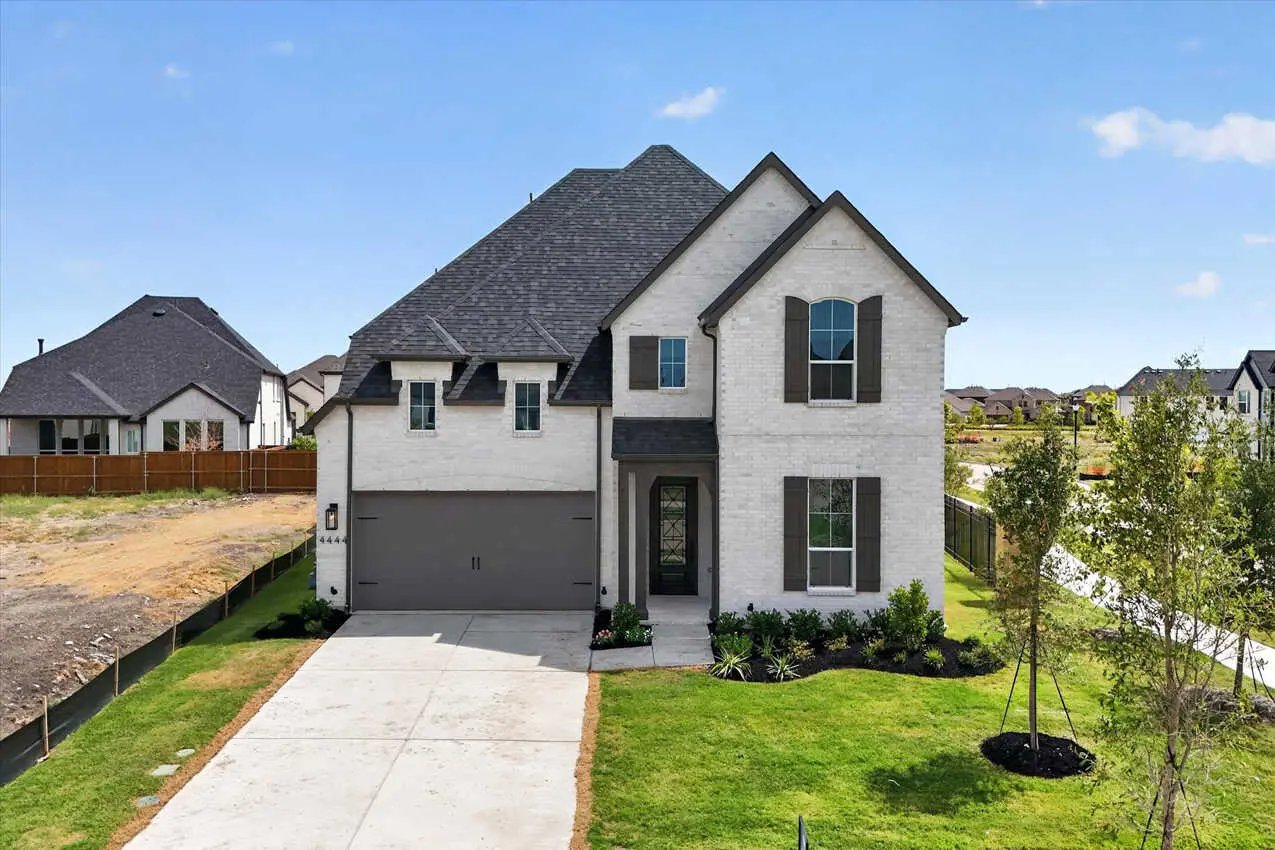
Celina Tx

We'd love to hear from you! Whether you're buying, selling, or just exploring your options, we're here to provide answers, insights, and the support you need. Contact us and start planning your next move.