Texas Homestead Exemptions
Brent Wells April 27, 2017
Brent Wells April 27, 2017
The Texas Homestead Exemptions saves homeowners money by removing part of your home's value from taxation. Which might save you thousands of dollars each year. To receive a Homestead Exemption on your home, you and your home must qualify by Jan 1 of the application year. You can apply for a Texas Homestead Exemption starting January 1 and no later than April 30.
You will save a lot of money by filling out a few pages of info. The homestead tax exemption lowers the taxable value of your home. If you have a house with an appraisal district tax valuation, your homestead exemption will allow you to have money taken off the bill. The homestead tax exemption lowers the taxable value of your home by a certain dollar amount. Not everyone is eligible for a homestead tax exemption; in some states only certain people qualify, like senior citizens, surviving spouses of veterans, or people with a disability. Some states don’t offer a homestead tax exemption at all
A homestead exemption can also provide other legal protections, like preventing you from having to sell your home after you declare bankruptcy. The homestead exemption may also refer to a feature of probate law, wherein the homestead doesn’t have to be included during probate and can allocate an allowance for a surviving spouse or children.
The statute’s history has its origins in Spanish law on homeownership dating back centuries. Some U.S. states model their homestead exemption laws on 1800s home ownership laws, meaning the backbone of many state homestead exemption statutes date back almost two centuries.
So it’s not a surprise that the primary factor in homestead laws is how much they vary on a state-to-state basis. Some states emphasize building their property exemption laws around the protection of a home, up to a specific value of that home.
Note that in most states, the homestead exemption isn’t linked to the current rate of inflation, which often dilutes the “real” value of property value exemptions for health, death of a spouse, or personal bankruptcy.
For more information on purchasing or selling a home in Prosper Texas and surrounding areas please contact us at any time.
Your Homestead Exemption will be denied unless all of the required documents show the same homestead address.
(from the Texas comproller's office website)
A homestead can be a separate structure, condominium or manufactured home located on owned or leased land, as long as the individual living in the home owns it. A homestead can include up to 20 acres, if the land is owned by the homeowner and used as a yard or for another purpose related to the residential use of the homestead.
Do all homes qualify for Homestead Exemptions?
No, only a homeowner's principal residence qualifies. To qualify, a home must meet the definition of a residence homestead: The home's owner must be an individual (not a corporation or other business entity) and use the home as his or her principal residence on January 1 of the tax year. If you are age 65 or older, the January 1 ownership and residency are not required for the age 65 Homestead Exemption.
You may apply for Homestead Exemptions on your principal residence. Homestead exemptions remove part of your home's value from taxation, so they lower your taxes. For example, if your home is appraised at $100,000, and you qualify for a $25,000 exemption (this is the amount mandated for school districts), you will pay school taxes on the home as if it was worth only $75,000. Taxing units have the option to offer a separate exemption, too. Click here to read about how to know if you qualify for Homestead Exemptions and what kind of exemptions are available to all homeowners.
Stay up to date on the latest real estate trends.
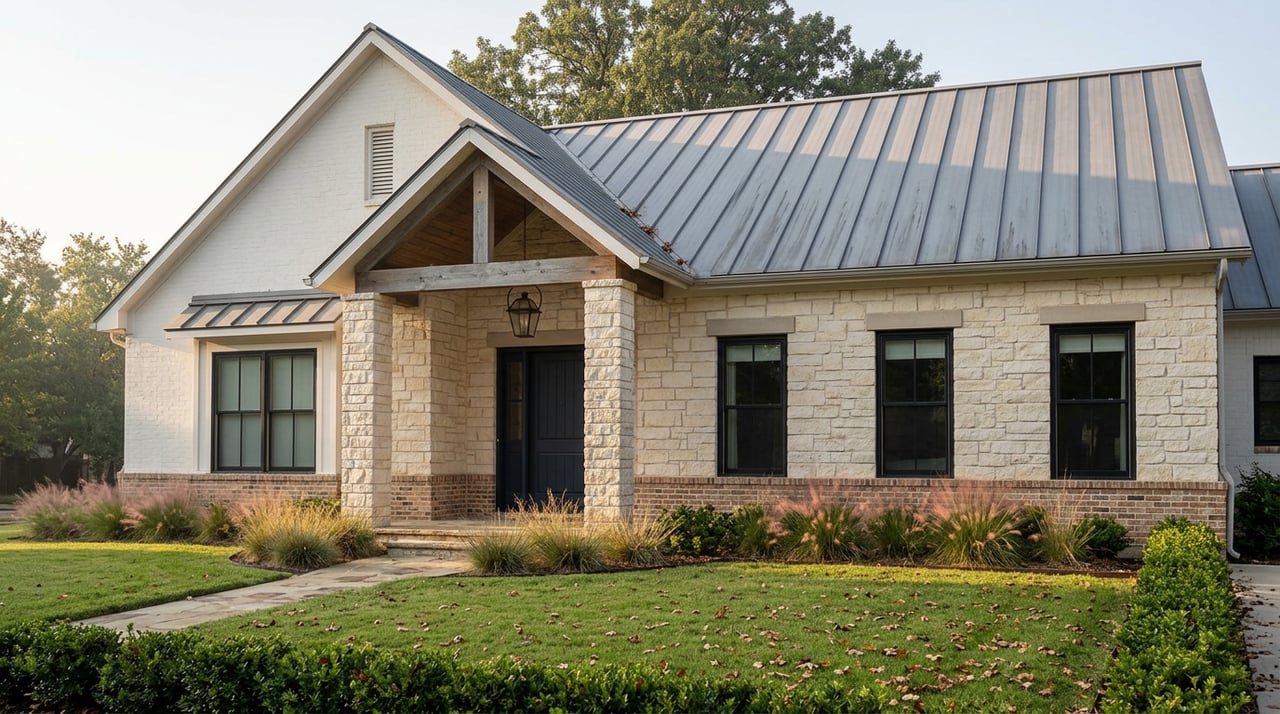
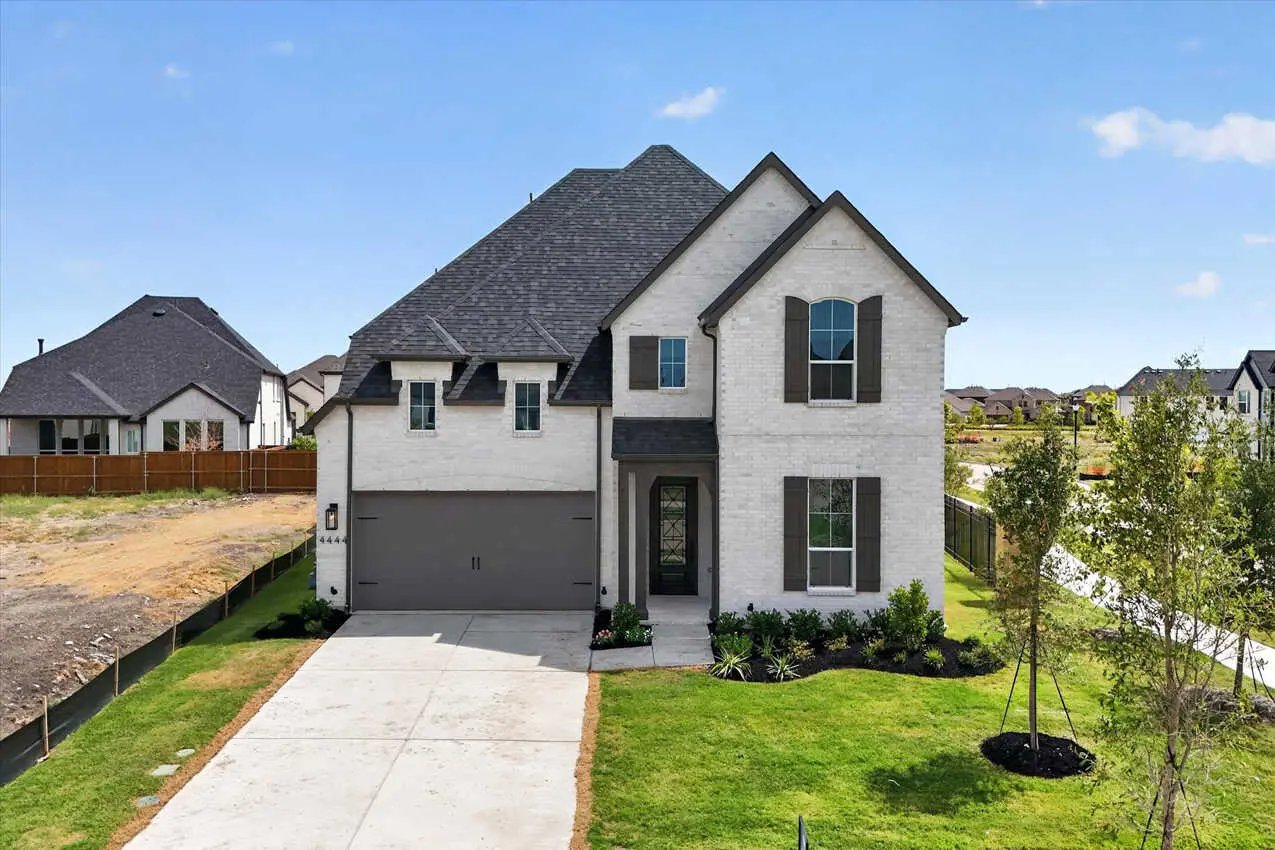
Celina Tx

We'd love to hear from you! Whether you're buying, selling, or just exploring your options, we're here to provide answers, insights, and the support you need. Contact us and start planning your next move.