Flood Insurance
Brent Wells April 23, 2017
Brent Wells April 23, 2017
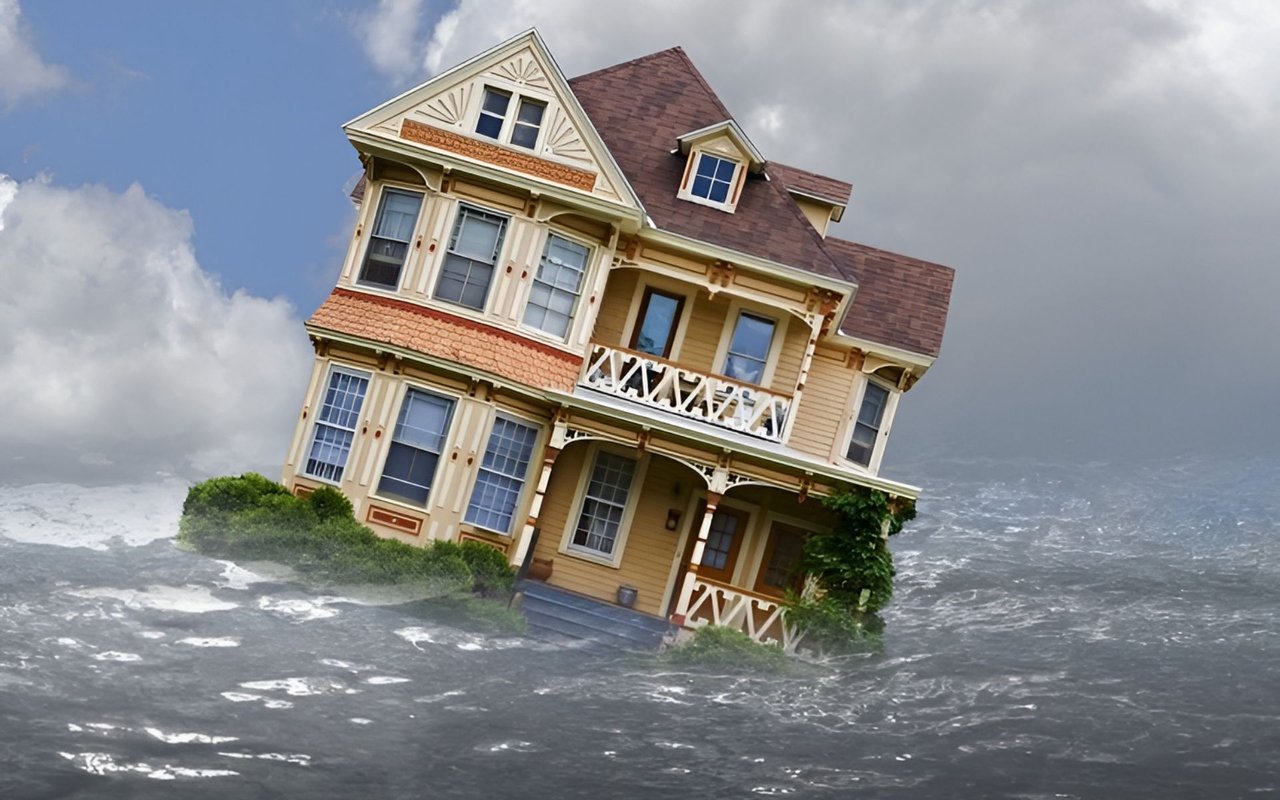
Not all homeowners need the extra coverage that flood insurance provides. How do you know if you’re among them? Let’s take a look at some common misconceptions that keep homeowners from buying the coverage that may save them from financial catastrophe.
Oh, does it now? “Standard homeowners and renters insurance does not cover flood damage,” according to the Insurance Information Institute. You’ll need to purchase a separate policy to be covered for this disaster.
Even if you have flood insurance, by the way, revisit the policy at least once a year to ensure that it provides the right coverage for your current circumstances. NFIP, for instance, covers up to $250,000 for the home’s structure and, for personal possessions, $100,000. It is the latter coverage you want to keep an eye on. If you acquire expensive items that might be damaged or lost in a flood, you may need to increase your personal possessions coverage.
Keeping in mind as well that even just a minor water intrusion into the home can cause thousands of dollars in damage, flood insurance coverage becomes even more important.
According to NFIP, you’ll pay an average of $650 a year for the peace of mind you’ll receive from carrying flood insurance. Compare that to the aforementioned average claim ($46,000) and the choice as to whether to purchase the insurance or not is quite clear.
When you buy a home it’s smart to look into whether or not it’s located in a flood plain. Be aware, however, that “Many conditions can cause flooding: spring thaws, heavy rains, hurricanes and the rapid accumulation of rain after a wildfire are just some of them,” according to the experts at Allstate Insurance. It can happen anywhere. At any time.
In fact, one in five claims for flood damage come from homeowners who live in areas deemed in moderate to low risk of flood, according to the Federal Emergency Management Agency (FEMA). The danger here is that lenders typically won’t require flood insurance on homes located in these lower-risk areas. It is up to the new homeowner to protect herself.
Would you wait until after your home burns down to try to purchase insurance? Of course not, and, according to FEMA, “There is usually a 30-day waiting period after premium payment before the [flood insurance] policy is effective.”
There are exceptions to the waiting period rule and you can read about them on FEMA’s website.
It’s difficult to think about paying extra for your homeowners insurance when you’re in the midst of the huge cash layout that a home purchase requires, but the consequences of not being prepared for a flood can be devastating. Research the area in which the home is located and weigh the risks. Visit the FEMA website for information from the Flood Map Service Center to help you decide.
Stay up to date on the latest real estate trends.
Celina Tx
Local Information
Three towns, one farm road apart — and very different bets.
Celina Tx

Celina Tx
Celina Tx
Celina Tx
celina tx

Celina Tx

Celina Tx
We'd love to hear from you! Whether you're buying, selling, or just exploring your options, we're here to provide answers, insights, and the support you need. Contact us and start planning your next move.