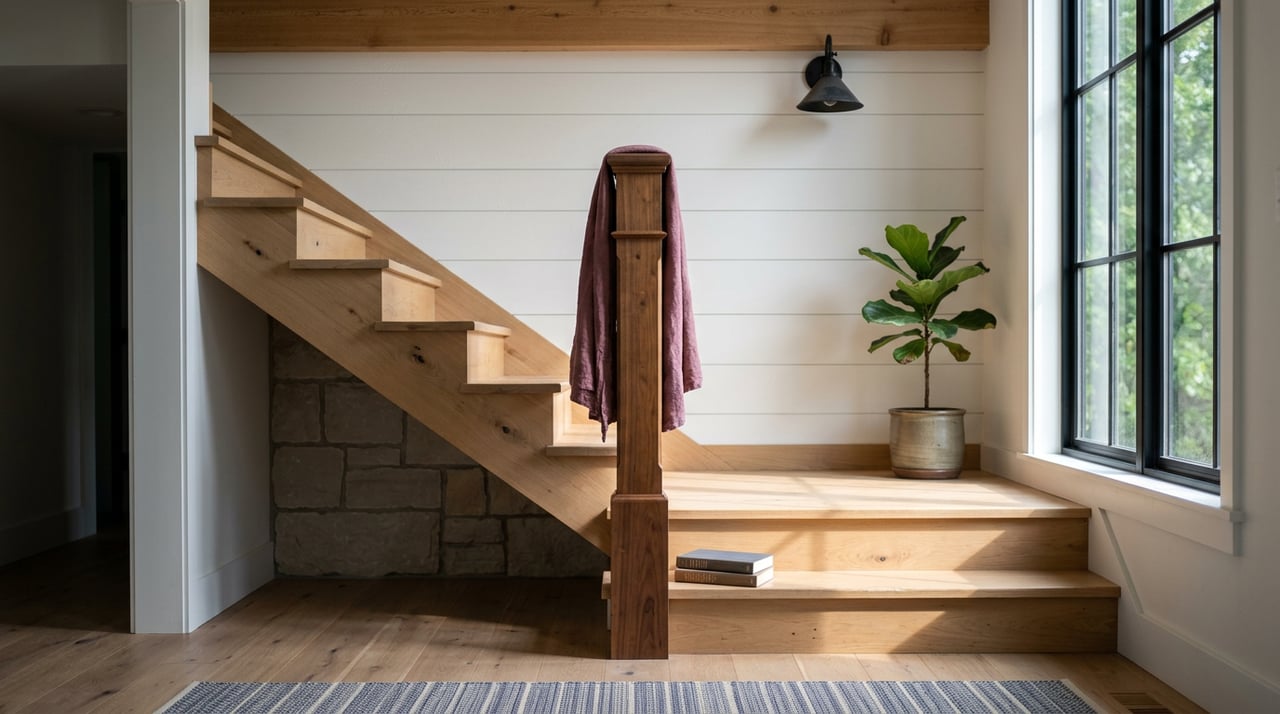
Selling an Older Home Near the Celina Square in 2026: The Comp Problem When Uptown Celina Sets the Baseline
Celina Tx July 23, 2026
Celina Tx July 23, 2026
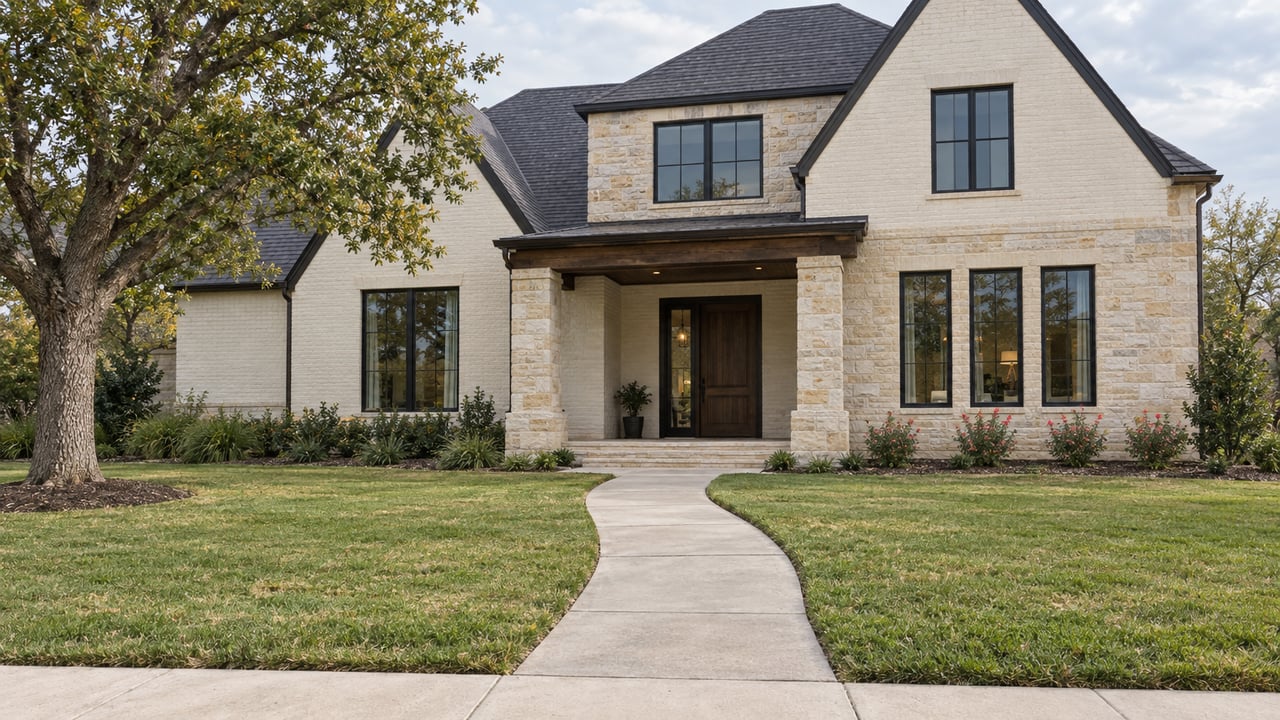
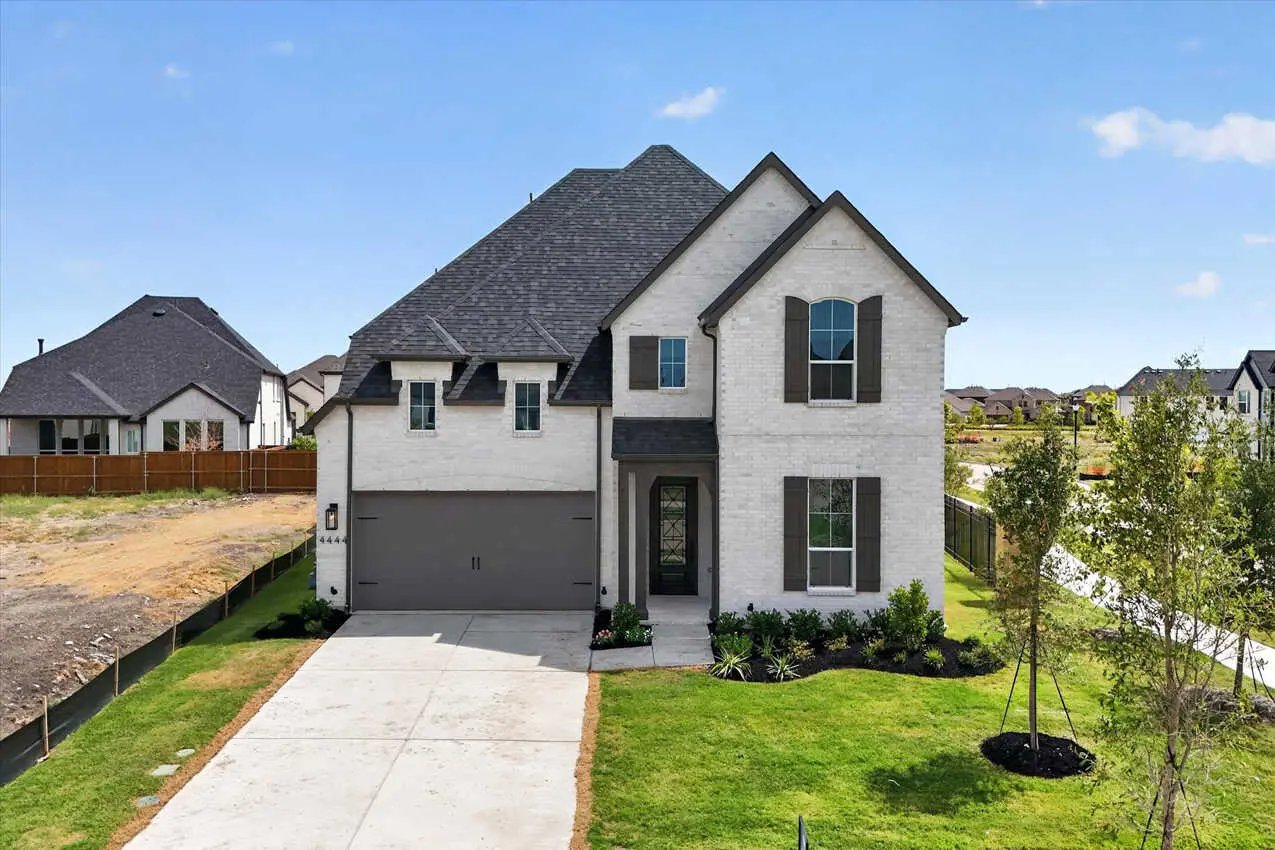
Two blocks off the Historic Celina Square, Olivia Clarke Homes is finishing paired residences that price between roughly $380,000 and $425,000 on floor plans of 2,072 to 2,507 square feet. Two blocks the other direction, a 1962 detached home on a quarter acre with original hardwoods is trying to figure out what it is worth. The two properties will end up in the same appraiser's search radius, and that is the friction this post is about.
If you own a character home within golf-cart range of the Square and you are thinking about listing in the next six months, the softer 2026 market is not your biggest problem. Your biggest problem is the comp set. Get the disclosure package and the pricing sequence right, and you can turn the paired-home wave from a headwind into a reference point that helps your appraisal. Get it wrong, and you leave real money on the table before an offer is ever written.
North Square at Uptown Celina is a 78-unit paired-home community two blocks from the Square, sitting inside the 675-acre Uptown Celina district assembled by Rockhill Capital & Investments between the Dallas North Tollway and Preston Road. At buildout, Uptown Celina will hold roughly 2,500 homes across a mix of paired, single-family, and multi-family product. That is not a boutique infill project. It is a new supply layer arriving on top of an already softer market.
The broader softness is real. The Zillow Home Value Index for Celina came in at $529,873 as of the 5/31/2026 update, down 9.9% year over year, with homes going to pending in about 44 days. Redfin's three-month window ending May 2026 showed a median sale price of $496,000, down 11.3% year over year, with 92 median days on market. On the new-construction side, The Real Deal's April 2026 analysis of MetroTex data pegged the median for closed new-home sales in Celina at $520,000, a 22% drop, even as new-home sales volume in the city jumped 61% year over year.
Here is what those numbers mean for the older home three blocks off the Square:
The paired-home comps are cleaner, newer, and easier to pull. The character comps are further out, older, and harder to defend. If you do nothing, the appraisal defaults to the easier data set.
In a market with buyers making concessions and sellers absorbing them, the appraisal is where the price actually lives. If the appraisal comes in low, the buyer either brings cash to bridge the gap, renegotiates, or walks. In a market where Celina's median days on market has stretched to 92 and buyers know it, most will renegotiate.
The seller's job is to hand the appraiser a file that makes adjustments defensible rather than optional. That means two things: a comp set the appraiser would not have found on their own, and a disclosure package that explains why the paired-home comps need meaningful downward adjustments for what they lack.
Feature | Typical North Square Paired Home | Older Detached Near the Square |
|---|---|---|
Year built | 2024 to 2026 | 1940s to 1970s |
Lot | Shared wall, small yard | Detached, 0.15 to 0.5 acre |
Systems | New HVAC, plumbing, electrical | Original or partially updated |
HOA | Yes, covers exterior | Typically none |
Foundation | New slab, warranty active | Slab or pier-and-beam, history matters |
Lead-based paint disclosure | Not required (post-1978) | Federally required (pre-1978) |
Character features | Standardized finishes | Original wood, transoms, mature trees |
Every one of those differences is an adjustment line in the appraiser's grid. Your job is to make them documented, not narrated.
Texas Property Code §5.008 requires most sellers of previously occupied single-family homes to provide a Seller's Disclosure Notice covering known material defects. TREC publishes the baseline form; the Texas REALTORS version asks a few extra questions, including whether written inspection reports exist from the last four years. New-construction builders selling directly are largely exempt from the disclosure requirement, which is one reason a paired-home listing sheet looks so tidy next to an older home.
That asymmetry is not something to resent. It is something to counter with documentation. On an older home near the Square, the items appraisers and inspectors will look at first are the same items North Texas sees repeatedly in disclosure disputes:
A Texas buyer generally has four years from the date they discover a defect to bring a claim under the Deceptive Trade Practices Act. The clock starts at discovery, not at closing. An "as-is" clause does not protect a seller who concealed a known defect. That is not a scare quote. That is the math behind why upfront disclosure is almost always cheaper than the alternative.
The upfront-versus-discovered math is straightforward. A documented $6,000 foundation repair disclosed on the front end typically costs a seller $3,000 to $5,000 in the initial offer. The same repair found by the buyer's inspector during the option period usually costs $8,000 to $12,000 in renegotiated concessions, and sometimes the deal itself.
With Celina's three-month median down 11.3% year over year and homes averaging 92 days on market, sellers cannot list at 2023 comps and grind their way down. Every week at the wrong price is a data point that becomes public. Here is the sequence we walk sellers through:
A disclosure package cannot solve a bad floor plan, a busy corner, or a listing photo taken on an overcast Tuesday. It also cannot make up the full spread when a home genuinely needs a systems overhaul before it is livable for a modern buyer.
Honest positioning still beats optimistic pricing every quarter of every market.
Do the new paired-home closings actually hurt my appraisal? They can if they end up in your file without adjustments. They help if the appraiser has a documented reason to weight your character comps more heavily. That reason is your job to provide.
Should I renovate before listing or price the deferred maintenance in? The answer usually depends on the item. Cosmetic updates, paint, floor refinishing, and staging pay back reliably. Full kitchen and primary bath rebuilds rarely do in a softer market. Systems work, roof, HVAC, and foundation, are the ones we look at case by case.
If I use the TREC form instead of the TAR form, do I have to attach prior inspection reports? Texas Property Code §5.008 does not require attaching past inspection reports. The TAR form asks for them if they exist. Either way, a buyer's agent is likely to ask, and the honest answer will land better than a technical one.
If you own a home within walking distance of the Square and you want to know what your character actually appraises for against the new baseline, LivingWell Realty will pull both comp sets, walk your disclosure package with you room by room, and build the appraiser's file before the sign goes in the yard. When you are ready for the number, get your home value and we will take it from there.
Stay up to date on the latest real estate trends.
Celina Tx

We'd love to hear from you! Whether you're buying, selling, or just exploring your options, we're here to provide answers, insights, and the support you need. Contact us and start planning your next move.