Locating The Perfect New Home Neighborhood
Brent Wells March 29, 2025
Brent Wells March 29, 2025
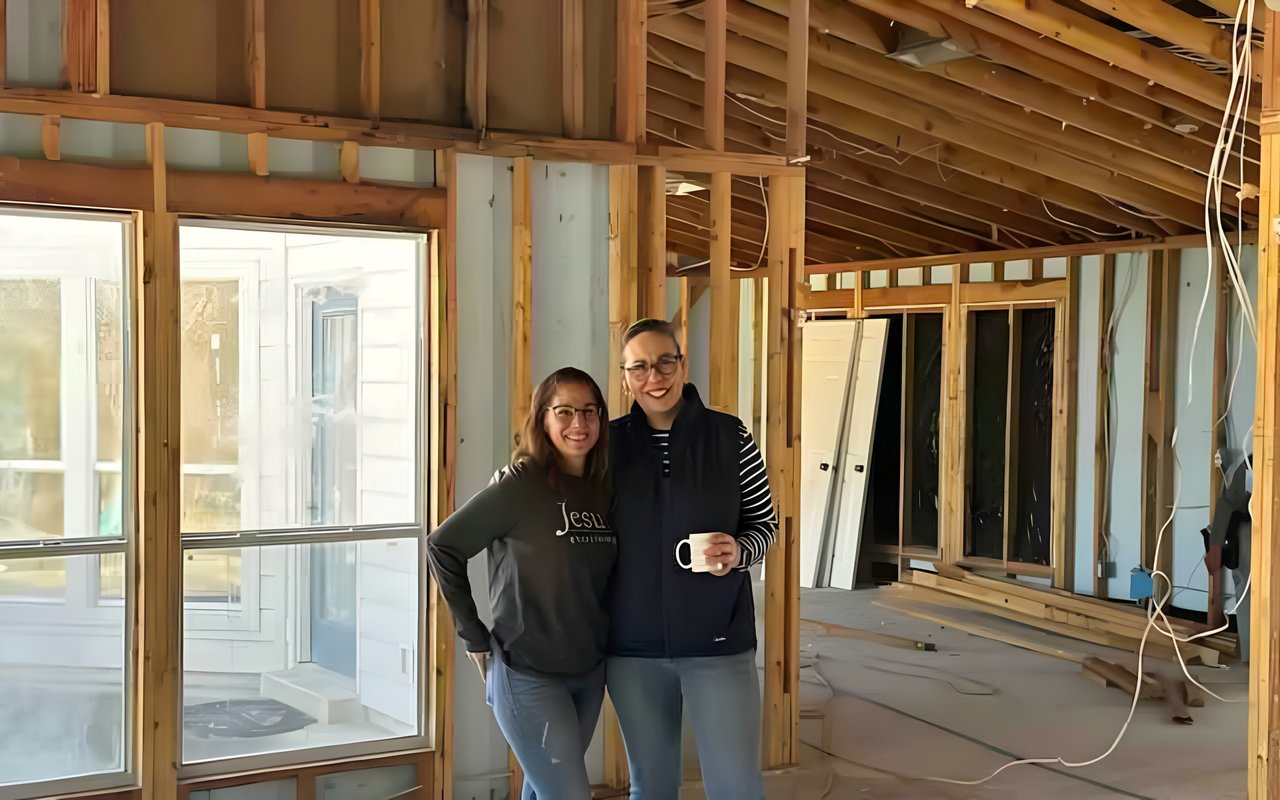
The two ladies above (Deb & Faith) are dear friends. You honestly couldn't wish for a better friend in your life than they are to each other. They live life together, attend church together, work together, and by God's will, luck, or whatever you choose to believe, now own homes next to each other. Deb is helping Faith remodel their new home. It is going to be stunning, and the memories made will last a lifetime.
Isn't this the dream we all chase? To have friends, neighbors, and people in our lives who love us? Choosing the neighborhood in which to build your dream home can have a profound impact on your life. So, how do you know which neighborhood is right for building in? We have a few thoughts that might help...
Finding the right neighborhood for your new home is more than picking a house. It’s about finding a place that fits your life. Begin by considering what you want. Do you like a short drive to work? Perhaps you'd like shops and entertainment nearby. Or maybe you prefer a quiet spot with trees and friendly people. Knowing what you need helps you look in the right places.
Next, check out the details. If you have children, consider the local schools. Visit them or talk to parents to see if they’re good. Also, think about how you’ll get around. Is there a bus or train? Are the roads easy to use? Can you walk to a store? Go to the neighborhood at different times—like morning or night—to see what it’s really like.
In the end, it’s about how the place feels. Take a walk, visit a park, or grab a snack. Does it feel like home? Could you live there happily? Look at what’s coming too, such as new stores or roads that might improve it later. Mix what you learn with what you feel to find a spot that’s good now and for years ahead.
Before diving into your search, take a moment to clarify what matters most to you. Are you looking for top-rated schools for your kids? A bustling urban vibe with nightlife and cafes? Or perhaps a quiet, suburban retreat with plenty of green space? Make a list of your must-haves and nice-to-haves. Common priorities include:
By narrowing down your priorities, you’ll have a clearer lens to evaluate potential areas.
For families—or even those planning for the future—school quality is often a dealbreaker. Even if you don’t have kids, strong schools can boost property values over time. Look into:
Visit neighborhoods during school hours to get a feel for the atmosphere and talk to locals about their experiences.
How you get around matters. A neighborhood’s accessibility can define your daily routine. Consider:
Tools like Google Maps or Walk Score can help you assess how connected a neighborhood is to the places you frequent.
Every neighborhood has its own personality. Spend time in your top choices to see if they resonate with you. Visit the neighborhood right before dark and take a walk. Look at your potential neighbors and observe. You can learn a great deal about a neighborhood by watching how your potential new neighbors interact with their kids and each other. Ask yourself:
A neighborhood’s culture can be just as important as its physical features.
A great neighborhood today should also hold promise for tomorrow. Research local development plans—new shopping centers, transit expansions, or business hubs can signal growth (and rising property values). On the flip side, overdevelopment might lead to traffic or noise issues. Check city planning websites or talk to a local real estate agent for insights.
A neighborhood can feel different depending on the time of day or week. Drop by in the morning, afternoon, and evening. Visit on weekdays and weekends. This gives you a fuller picture of noise levels, traffic patterns, and overall activity. A peaceful Saturday morning might hide a bustling weekday commute—be thorough.
Locating the perfect new home neighborhood is a blend of research and intuition. Once you’ve done the legwork—prioritizing needs, checking schools, and exploring the vibe—trust your gut. The right place will feel like home, not just for now, but for years to come. Start your search today, and take the first step toward finding your ideal community.
Stay up to date on the latest real estate trends.
Celina Tx

Local Information
Three towns, one farm road apart — and very different bets.
Celina Tx
Celina Tx
Celina Tx
Celina Tx
celina tx
Celina Tx
Celina Tx
We'd love to hear from you! Whether you're buying, selling, or just exploring your options, we're here to provide answers, insights, and the support you need. Contact us and start planning your next move.