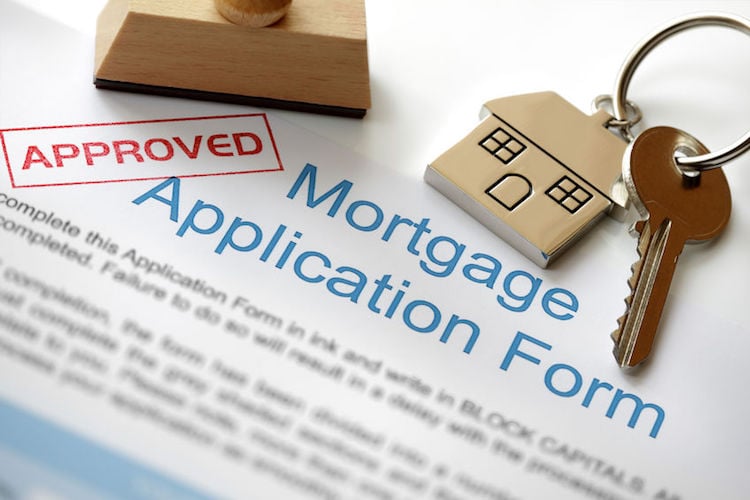
A Self Employed Mortgage and How to Get One
Brent Wells April 5, 2018
Brent Wells April 5, 2018
From how we’re expected to file our taxes to a lack of paycheck stubs to sometimes wild swings in income, the self employed mortgage is a different breed. Applying for a mortgage when you lack W-2s, doesn’t disqualify you; you’ll just need to work harder to meet the higher burden of documentation required to obtain a self employed mortgage. According to a study commissioned by one of the large real estate aggregator sites, the self-employed earn 81 percent more money than other borrowers but receive 40 percent fewer mortgage loan quotes. Let’s take a look at some of what this group of homeowners need to know when applying for a home loan.
The lender will want to see your past two years’ tax returns (and all accompanying schedules) to prove your income. Recently released Fannie Mae guidelines may allow a borrower with only one year of tax returns so speak with your lender if you’re in this situation. With the two years of returns, the underwriter will typically add the two adjusted gross incomes and then divide the sum by 24 to arrive at your average monthly income. The problem with this is all those expenses we use to reduce our taxable income. After calculating them on Schedule C, guess where that reduced income figure goes? That’s right — in the “Adjusted Gross Income” column on your 1040. So, even if you make a decent income, it won’t look like it on your tax returns. It almost seems like the deck is stacked against someone attempting to get a self employed mortgage. The solution to this is painful. “If buying or refinancing a home is in your three-year plan, don’t write off every business expense you can write off,” Patrick Ruffner, vice president of mortgage lending at Chicago’s Guaranteed Rate mortgage company tells US News.
Next, the lender will look at your debt-to-income ratios (DTI) to determine how much you can safely afford to borrow. The two ratios they look at are the “front-end,” which should not exceed 28 percent of your income and the “back-end,” which needs to be 36 percent or less of your income. Although the required ratios are outdated on this page, it will tell you how to determine your DTI. It’s important to note that the DTI ratios aren’t set in stone and lenders often approve borrowers with back-end ratios of up to 43 percent, according to BankRate.com. Lower your DTI by either paying down debt or raising your income. Easier said than done for the self-employed, right?
If you think about the situation from the lender’s perspective, it’s a bit easier to understand why they are skeptical of the self-employed applicant. Businesses have slow periods; how will the applicant pay the mortgage payment without a steady paycheck from an employer? It’s up to you to sweeten the pot and to make your application more palatable to a lender and there are several steps you can take to accomplish this:
Stay up to date on the latest real estate trends.

Celina Tx

Local Information
Three towns, one farm road apart — and very different bets.
Celina Tx

Celina Tx

Celina Tx

Celina Tx

celina tx

Celina Tx

Celina Tx
We'd love to hear from you! Whether you're buying, selling, or just exploring your options, we're here to provide answers, insights, and the support you need. Contact us and start planning your next move.