
The Benefits of a 20 Percent Down Payment
Brent Wells May 8, 2019
Brent Wells May 8, 2019
If you are in the market to buy a home this year, you may be confused about how much money you need to come up with for your down payment. Many people you talk to will tell you that you need to save 20% or you won’t be able to secure a mortgage.
The truth is that there are many programs available that let you put down as little as 3%. Those who have served our country could qualify for a Veterans Affairs Home Loan (VA) without needing a down payment.
These programs have cut the savings time that many families would need to compile a large down payment from five or more years down to a year or two. This allows them to start building family wealth sooner.
So then, why do so many people believe that they need a 20% down payment to buy a home? There has to be a reason! Today, we want to talk about four reasons why putting 20% down is a good plan, if you can afford it.
Putting down a 20% down payment vs. a 3-5% down payment shows your lender/bank that you are more financially stable, thus a good credit risk. The more confident your bank is in your credit score and your ability to pay your loan, the lower the rate they will be willing to give you.
The bigger your down payment, the lower your loan amount will be for your mortgage. If you are able to pay 20% of the cost of your new home at the start of the transaction, you will only pay interest on the remaining 80%. If you put down a 5% down payment, the extra 15% on your loan will accrue interest and end up costing you more in the long run!
In a market where many buyers are competing for the same home, sellers like to see offers come in with 20% or larger down payments. The seller gains the same confidence that the bank did above. You are seen as a stronger buyer whose financing is more likely to be approved. Therefore, the deal will be more likely to go through!
Simply put, PMI is “an insurance policy that protects the lender if you are unable to pay your mortgage. It’s a monthly fee, rolled into your mortgage payment, that is required for all conforming, conventional loans that have down payments less than 20%.”
As we mentioned earlier, when you put down less than 20% to buy a home, your lender/bank will see your loan as having more risk. PMI helps them recover their investment in you if you are unable to pay your loan. This insurance is not required if you are able to put down 20% or more.
Many times, home sellers looking to move up to a larger or more expensive home are able to take the equity they earn from the sale of their house to put down 20% on their next home.
If you are looking to buy your first home, you will have to weigh the benefits of saving a 20% down payment vs. the time and cost of continuing to rent while you save that amount.
If your plan for your future includes buying a home and you’re already saving for your down payment, let’s get together to help you decide what down payment size best fits with your long-term plan!
Stay up to date on the latest real estate trends.
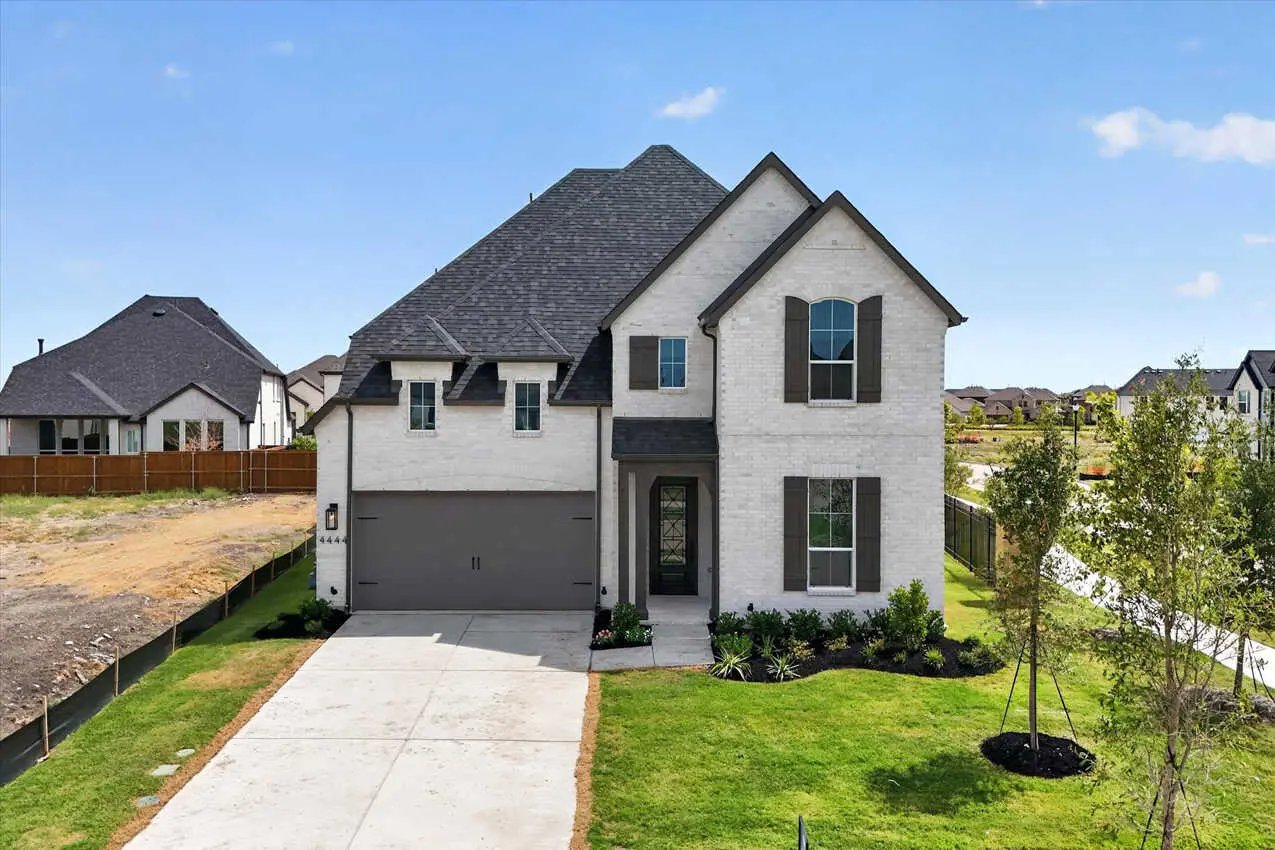
Celina Tx

We'd love to hear from you! Whether you're buying, selling, or just exploring your options, we're here to provide answers, insights, and the support you need. Contact us and start planning your next move.